Introduction
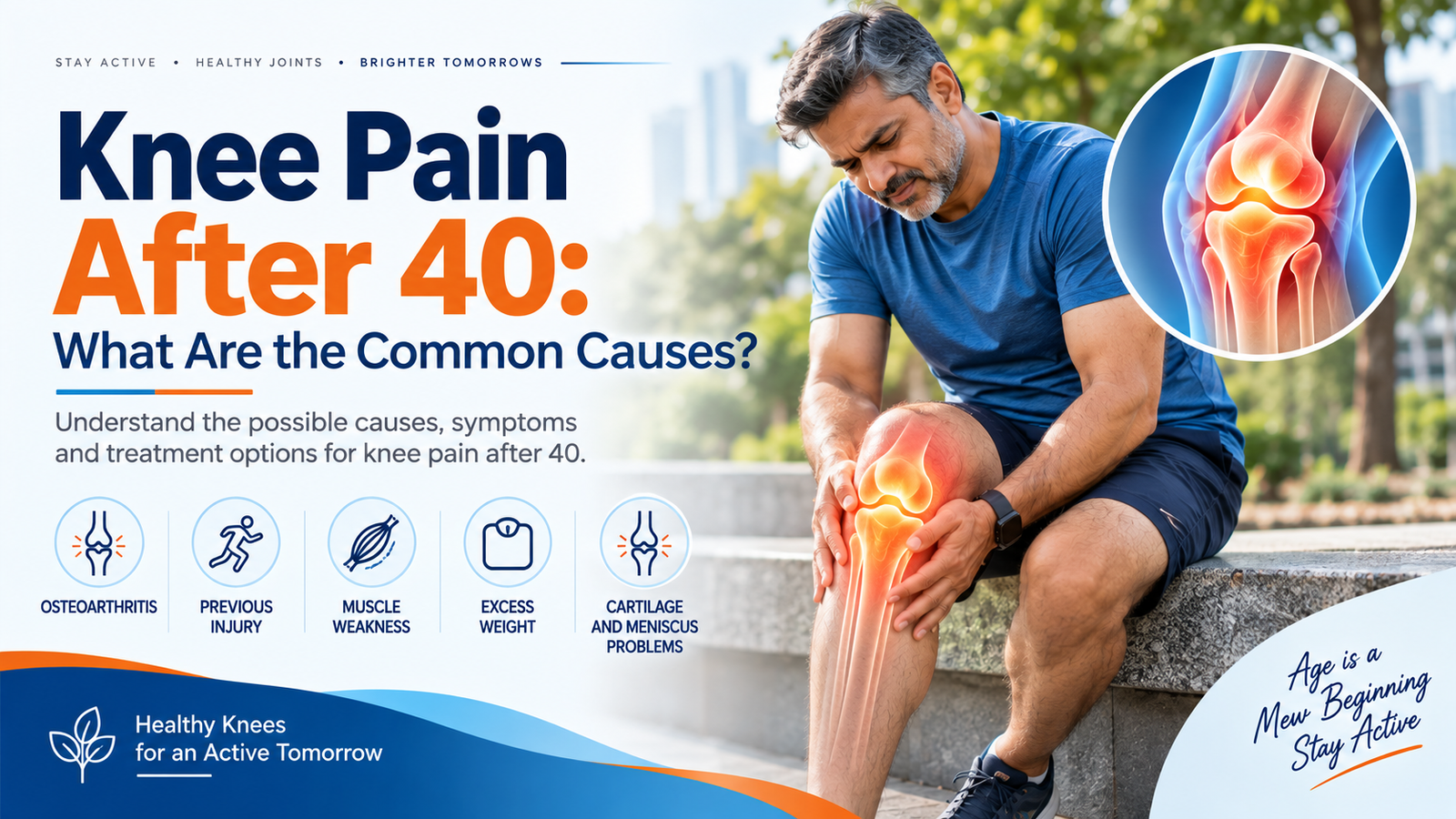
Knee pain after the age of 40 is a common concern, but it should not automatically be considered a normal part of ageing. Occasional discomfort after strenuous activity may settle with rest, while persistent or recurring knee pain can sometimes be related to osteoarthritis, previous injuries, muscle weakness, cartilage problems or other conditions affecting the knee joint.
The knee is a complex joint that supports the body’s weight during everyday activities such as walking, climbing stairs, sitting down, standing up and exercising. Over time, changes in the cartilage, muscles, tendons, ligaments and surrounding tissues can affect how the knee moves and feels.
If you are experiencing knee pain after 40, understanding the possible causes can help you recognise when it may be appropriate to consult an orthopaedic specialist.
Is Knee Pain After 40 Normal?
Knee pain is not something you should simply accept because you have crossed the age of 40.
Age is one factor associated with degenerative changes in the knee, but several other factors can contribute to knee pain. These include previous knee injuries, excess body weight, repetitive stress, muscle weakness, activity levels and individual genetic factors.
Osteoarthritis becomes more common with increasing age, particularly in middle-aged and older adults. However, having knee pain does not automatically mean that you have arthritis.
The location, duration, severity and pattern of the pain are important clues. A medical evaluation may be necessary to determine the underlying cause.
Common Causes of Knee Pain After 40
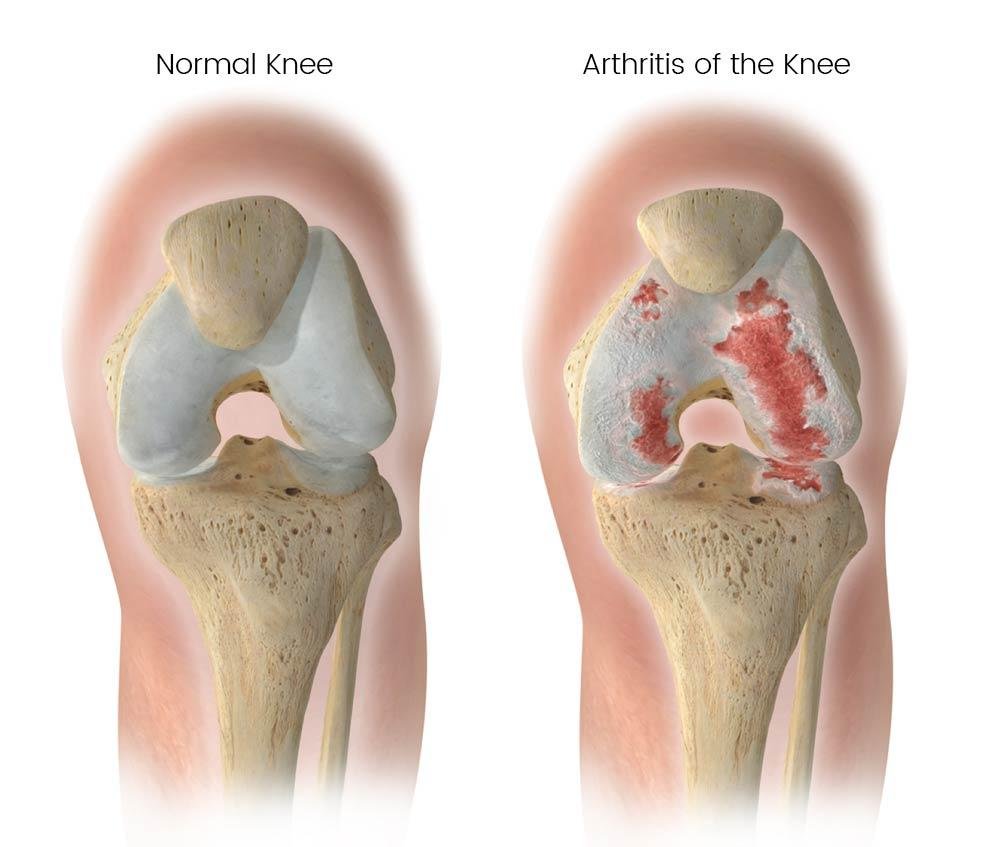
Osteoarthritis is one of the most common causes of persistent knee pain in adults.
The condition involves gradual changes and deterioration of the joint structures, including the cartilage that helps the joint move smoothly. As the joint changes, a person may experience:
Knee pain during walking
Pain while climbing or descending stairs
Stiffness after sitting
Reduced range of movement
Swelling
A grinding or grating sensation
Difficulty with everyday activities
Knee osteoarthritis can develop gradually, so some people may initially notice only occasional discomfort.
Early assessment can help identify the condition and determine appropriate management.
2. Previous Knee Injury
An old knee injury can continue to affect the joint years after the original incident.
Previous injuries involving the ligaments, meniscus, cartilage or bones can change knee mechanics and may contribute to future joint problems.
For example, someone who had a sports-related knee injury in their 20s or 30s may develop symptoms later in life.
This is one reason why it is important to mention previous injuries when discussing knee pain with an orthopaedic doctor.
3. Weak Thigh and Hip Muscles
The muscles around the knee and hip help support and control movement.
Weak quadriceps, hamstrings and hip muscles can affect movement patterns and place additional stress on the knee during activities such as:
Walking
Running
Climbing stairs
Squatting
Getting up from a chair
People who spend long periods sitting and have limited physical activity may gradually lose muscle strength.
A physiotherapy assessment can help identify muscle weakness and movement-related problems and determine whether a strengthening programme may be appropriate.
4. Excess Body Weight
The knee carries a significant amount of load during normal movement.
Higher body weight can increase the mechanical stress placed on the knee and is also associated with an increased risk of knee osteoarthritis.
If you are experiencing knee pain and are overweight, your doctor or physiotherapist may discuss weight management alongside exercise and other treatments.
Even small, sustainable lifestyle changes can be relevant to long-term joint health.
5. Meniscus Problems
The menisci are two pieces of cartilage inside the knee that help cushion and stabilise the joint.
A meniscus can be damaged through an injury, twisting movement or degenerative changes associated with ageing.
Symptoms can include:
Pain when bending the knee
Pain while twisting
Swelling
Clicking or catching
Difficulty fully moving the knee
Not every meniscus problem requires surgery. Treatment depends on the type and severity of the injury, symptoms, age, activity level and other clinical factors.
6. Tendon or Soft-Tissue Problems
Pain around the knee does not always originate from the joint itself.
Tendons, muscles, bursae and other soft tissues around the knee can also become irritated or injured.
Activities involving repeated jumping, running, squatting or sudden increases in exercise can sometimes contribute to soft-tissue problems.
A clinical examination can help determine whether the pain is coming from the joint, muscles, tendons or another structure.
7. Changes in Activity Level
Some people become more physically active after 40, perhaps by starting walking, running, gym workouts or recreational sports.
Exercise is important for overall health, but suddenly increasing activity can place stress on tissues that are not accustomed to the workload.
For example, suddenly moving from a sedentary routine to daily long-distance walking or intensive workouts may result in knee discomfort.
Gradually increasing activity and using appropriate strengthening and conditioning can help reduce unnecessary strain.
What Does Knee Pain After 40 Feel Like?
The symptoms can vary depending on the underlying condition.
You may experience:
Pain at the front, side or back of the knee
Pain while walking
Pain while climbing stairs
Stiffness after sitting
Morning stiffness
Swelling
Clicking or grinding
Reduced knee movement
A feeling that the knee is unstable
Difficulty squatting
Pain after exercise
Pain that becomes more frequent over time
The pattern of symptoms can provide useful information to an orthopaedic specialist, but symptoms alone cannot establish a diagnosis.
When Should You See an Orthopaedic Doctor for Knee Pain?
Consider an orthopaedic evaluation if knee pain:
Continues for several weeks
Keeps returning
Is getting progressively worse
Interferes with walking or exercise
Makes climbing stairs difficult
Causes persistent swelling
Limits knee movement
Disturbs your sleep
Causes instability or the feeling that the knee may give way
Occurs after a significant injury
You should seek prompt medical assessment after a significant injury, particularly if you cannot bear weight, the knee is severely swollen or deformed, or you have substantial loss of movement.
How Is Knee Pain After 40 Diagnosed?
An orthopaedic evaluation usually begins with a discussion about your symptoms and medical history.
Your doctor may ask:
When did the pain begin?
Where exactly does it hurt?
Is the pain constant or intermittent?
Does walking make it worse?
Does climbing stairs trigger pain?
Do you experience stiffness after sitting?
Have you had a previous knee injury?
Are you physically active?
Have you noticed swelling or instability?
The doctor may then examine your knee movement, strength, alignment and stability.
Depending on the findings, imaging such as an X-ray may be recommended. X-rays can help assess changes such as narrowing of the joint space and other structural changes associated with osteoarthritis.
Further investigations may be considered when clinically appropriate.
Can Knee Pain After 40 Be Treated Without Surgery?
In many situations, treatment begins with non-surgical approaches.
Depending on the diagnosis, these may include:
A structured physiotherapy programme may focus on:
Strengthening the muscles around the knee and hip
Improving flexibility
Improving balance
Correcting movement patterns
Gradually returning to appropriate activities
Exercise
Appropriate exercise can help maintain muscle strength and joint function.
The right exercise programme depends on your condition. Exercises that are suitable for one person may not be appropriate for another.
Weight Management
If excess body weight is contributing to knee stress, weight management may form part of a broader treatment plan.
Activity Modification
Your doctor or physiotherapist may recommend temporarily modifying activities that aggravate the pain while maintaining appropriate movement.
Medication
Pain-relieving or anti-inflammatory medicines may be recommended in some situations. These should be used according to medical advice, particularly if you have other health conditions or take other medicines.
Other Treatments
Depending on the diagnosis, your orthopaedic specialist may discuss additional treatment options, including injections or surgical procedures.
The treatment should be based on the specific condition rather than simply the patient’s age.
Does Knee Pain After 40 Mean I Need Knee Replacement?
No.
Knee pain after 40 does not automatically mean that knee replacement is required.
Knee replacement is generally considered in people with significant joint damage and persistent symptoms that substantially affect function and quality of life, particularly when appropriate non-surgical treatments have not provided sufficient relief.
The decision requires an individual assessment based on symptoms, examination findings, imaging and overall health.
This is why it is important not to diagnose yourself based solely on an X-ray, age or online information.
How Can You Protect Your Knees After 40?
Maintaining healthy habits can support long-term joint health.
Consider:
Staying physically active
Maintaining a healthy body weight
Building leg and hip strength
Avoiding sudden increases in exercise intensity
Using proper technique during exercise
Addressing previous injuries appropriately
Taking breaks from prolonged sitting
Maintaining mobility and flexibility
Seeking professional advice when persistent symptoms develop
The goal is not to avoid movement because of your age. Instead, the focus should be on maintaining appropriate strength, mobility and activity.
Knee Pain Treatment in Chennai
If you are experiencing persistent knee pain after 40, an orthopaedic evaluation can help identify whether the symptoms are related to osteoarthritis, an old injury, muscle weakness, meniscus problems or another condition.
K S Ortho Clinic in Madipakkam, Chennai provides orthopaedic care for knee and joint conditions, including knee replacement and other treatment options. The clinic’s website identifies Prof. Dr. A. N. Sarath Babu as its orthopaedic surgeon and states that he has over 12 years of experience.
For patients in and around Madipakkam and South Chennai, a local orthopaedic consultation can provide an opportunity to discuss persistent knee symptoms and determine whether further assessment or treatment is appropriate.
Frequently Asked Questions
1. Why does my knee hurt after 40?
Knee pain after 40 can have several causes, including osteoarthritis, previous injuries, muscle weakness, meniscus problems, soft-tissue conditions and changes in activity levels. A clinical evaluation is needed to determine the cause.
2. Is knee pain after 40 always arthritis?
No. Although osteoarthritis becomes more common with age, knee pain can also result from injuries, muscle weakness, tendon problems, meniscus issues and other conditions.
3. Can knee pain after 40 be reversed?
The answer depends on the underlying cause. Some causes of knee pain can improve substantially with appropriate treatment and rehabilitation. Degenerative conditions such as osteoarthritis cannot simply be reversed, but symptoms and function can often be managed.
4. Should I exercise if my knee hurts?
Exercise can be beneficial for many knee conditions, but the type and intensity matter. If exercise consistently increases pain, consult an orthopaedic specialist or physiotherapist for appropriate guidance.
5. When should I consider knee replacement?
Knee replacement is not determined by age alone. It may be considered when significant knee joint damage causes persistent pain and functional limitations and other appropriate treatments have not provided adequate relief.